Volpiano (Italy)
September 04, 2025
Ensuring Peak Performance: The Importance of Maintaining In-Circuit Test (ICT) Equipment
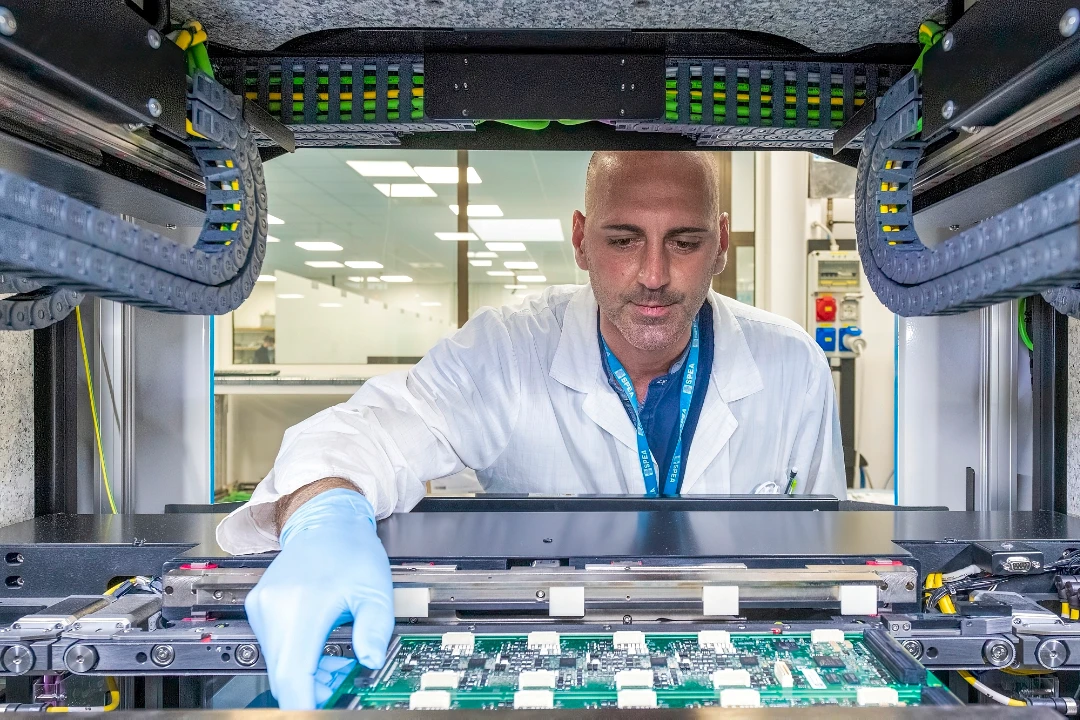
The key pillars of a successful ICT maintenance program
In the world of PCBA manufacturing, In-Circuit (ICT) bed-of-nails and flying probe testers are the foundation of quality assurance. These sophisticated machines, with their high-precision measurement capabilities, are vital for identifying manufacturing defects and ensuring product reliability. However, to maintain their accuracy and efficiency overtime, a robust maintenance strategy is essential.
Maximizing the lifespan and minimizing downtime of the ICT equipment requires more than just reactive repairs. It demands a comprehensive approach that includes calibration, strategic components preservation, software management, and preventive maintenance. Each element is vital, ensuring ICT testers remain reliable and high-performing assets for years to come.
Calibration: The Mandate for the Accurate Measurement
Calibration is the process of adjusting ICT testers measurement capabilities to defined and traceable standards. In many industries, such as automotive or medical devices, this is not just a best practice, it’s a regulatory requirement. Calibration ensures:
- Measurement Integrity: Every measurement, from resistance to voltage, is accurate and reliable. This prevents costly false positives (good boards failing) and false negatives (defective boards passing).
- Regulatory Compliance: Adherence to ISO and other industry-specific standards often mandates regular, documented calibration.
- Consistency: For factories with multiple ICT production lines, consistent calibration ensures uniform test results across all testers.
Calibration schedules are determined by usage, environmental conditions, and manufacturer recommendations. Regardless of the frequency, all calibrations must be traceable to industry or international standards, providing essential documentation for audits and continuous improvement.
Mechanical Maintenance: The Prerequisite for Longevity
To ensure the ICT testers long-term health and accuracy, a comprehensive mechanical maintenance plan is crucial. This includes careful attention to several key areas:
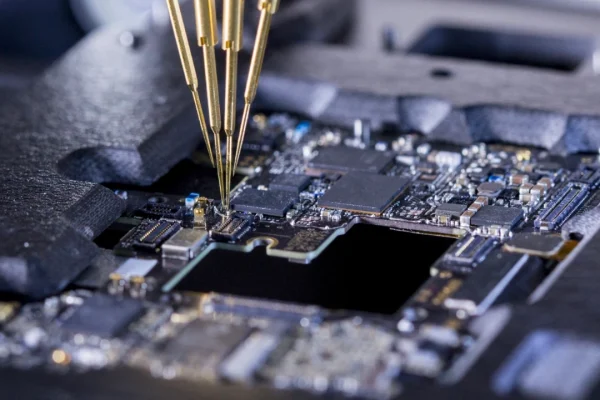
- Test Probes and Test Fixture: The components that directly interact with the circuit boards are subject to constant stress. Regular inspection and replacement of worn parts are essential to prevent unreliable test results and potential damage to delicate boards.
- Optical Camera Systems: For testers with optical cameras, maintaining the cleanliness and calibration of lenses and sensors is vital to maintain the accuracy of component alignment and prevent test failures.
- Mechanical Components: Regularly inspect the internal mechanical parts for wear and clean or replace filters to protect the system from dust and prevent overheating.
- Comprehensive Cleaning: A thorough cleaning of the entire machine, including internal chassis, and surrounding areas is necessary to prevent the buildup of contaminants that can interfere with electrical contact and damage sensitive components.
Software Upgrades: For a Secure and Future-Ready Tester
Beyond hardware, software upgrades are a keystone of long-term ICT proper functionality. Proactive upgrades introduce new features and enhance system stability. Ignoring these updates is a significant risk that can lead to costly downtime.
This focus on security and performance is the core philosophy behind the SPEA operating systems. As the most advanced software platform for electronic board testing, Leonardo OS is engineered to automate critical processes during upgrades, saving valuable time and reducing the need for manual intervention.
Preventive Maintenance: A Proactive Strategy
Preventive maintenance is a proactive strategy focused on scheduled tasks that keep the ICT testers running smoothly and prevent unexpected breakdowns. This approach offers significant benefits:
- Reduced Downtime: Preventive maintenance routines reduce the likelihood of unscheduled failures that halt production.
- Extended Lifespan: Regular lubrication, cleaning, and inspection of key components contribute to the longevity of the test equipment.
- Optimized Performance: Well-maintained testers operate at their peak, ensuring consistent test times and accurate results.
- Lowered Costs: Preventive maintenance prevents them from escalating into expensive repairs, ultimately reducing your total cost of ownership.
Preventive maintenance becomes even more proactive and efficient when in-circuit testers are equipped with smart multi-sensors that provide real-time monitoring of the testers’ status. These sensors record critical information such as temperature, pressure, humidity, acceleration, and power consumption, capturing any drifting or deviations from normal operation.This allows for proactive control, enabling the testers to use their idle time to verify and adjust out-of-spec parameters and avoid process degradation.
Commitment to Uptime and Precision
Recognizing the critical importance of continuous operation and measurement accuracy, SPEA has structured comprehensive services designed to support and maintain bed-of-nails testers and flying probe testers throughout their lifecycle. This ensures ICT testers remain optimally calibrated, consistently reliable, and operationally efficient.
The global network of support, combined with engineering and training services ensure electronic manufacturers can confidently focus on innovation and production. This commitment to continuous improvement and customer satisfaction means test equipment operates at peak performance, contributing directly to product quality and operational efficiency.